Puppy Socialisation

Some Benefits of Puppy Socialisation/Obedience Classes

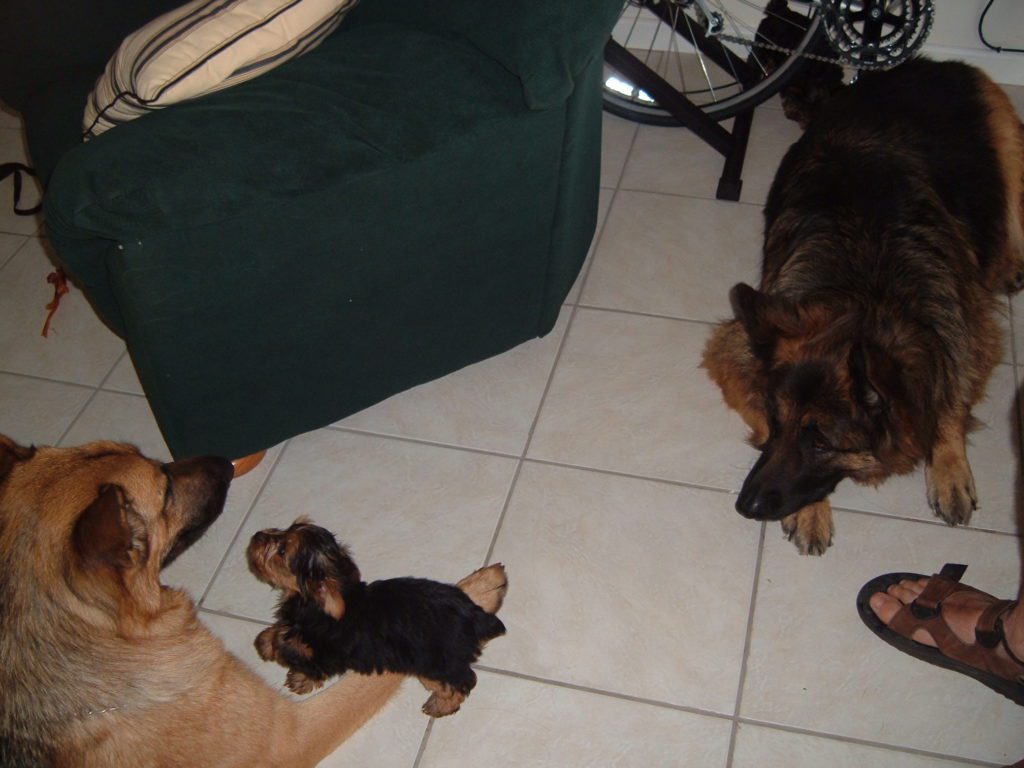
10-week old Yorkie bonding with two German shepherds
Yorkie pup bonding with German Shepherd friends

Develop a Better Understanding and Bond with your Dog

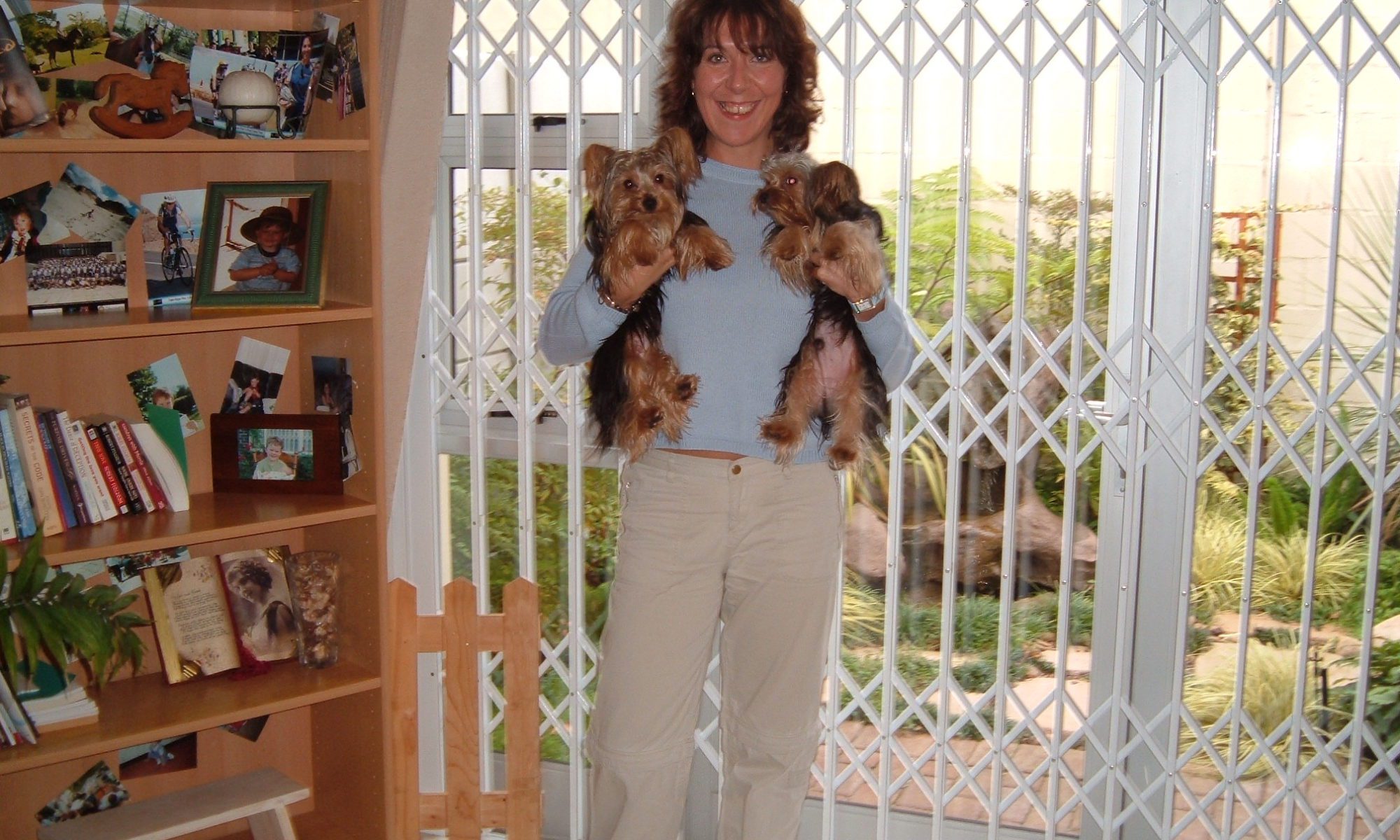
I took my puppies, Higgy and McCarthy, to puppy socialisation classes when they were about 9-weeks old and we continued for a few months. When they were two years old I also took them to agility classes for a few months. I highly recommend that anyone with a new puppy joins a socialisation/obedience class.

Not only is it a lot of fun for both owner and pups, but statistics reveal that owners with well-behaved pets have a stronger bond with them. An obedient, well-trained, relaxed dog is more responsive and easier to manage, which means both you and others you encounter will enjoy the experience more. This will result in you being closer to your dog.

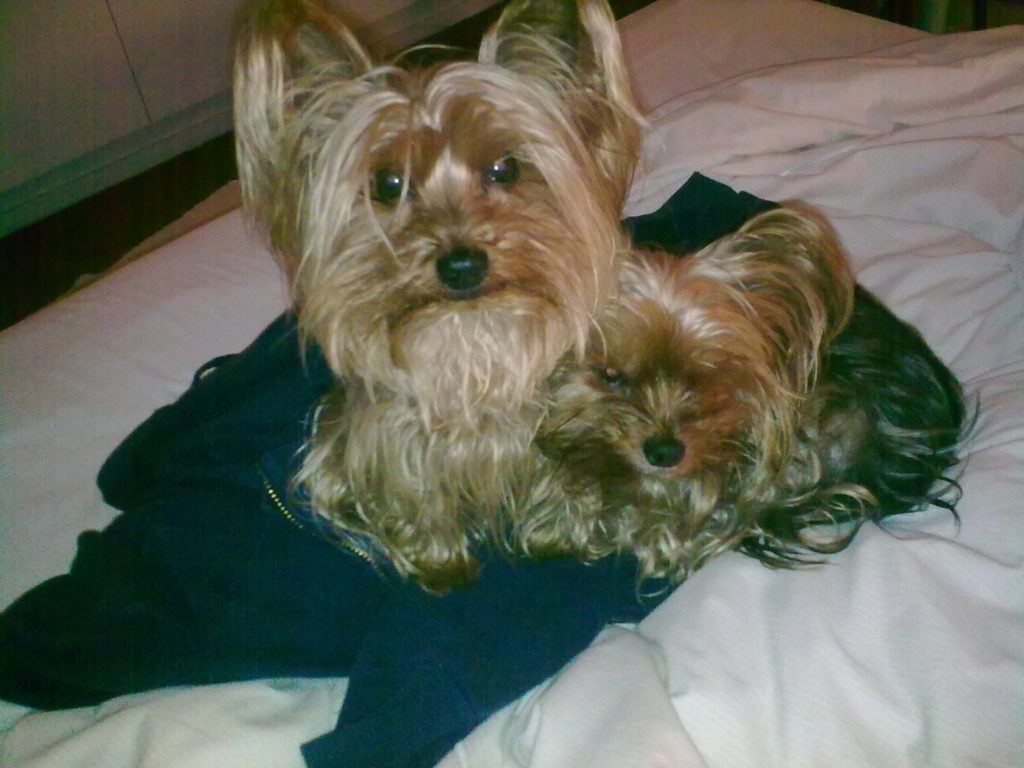
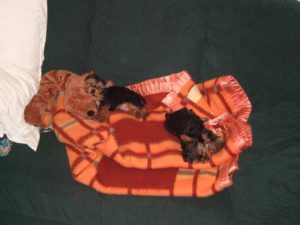
Yorkies, Higgy and McCarthy, snuggling together
Snuggle time

Better Management

Puppy classes usually teach your dog the basic commands such as sit, stay, down, fetch, etc. These commands enable you to manage your pet and create a language they learn to understand and obey. 

A better-managed dog equates to an obedient dog that is easier to control and in turn, allows you to have your pet as part of the family and enables the pet to join you on regular outings. I took my dogs with me practically everywhere I went — I only frequented restaurants, beaches, parks, hotels, and various other places that were dog-friendly. We were a family and I wanted them to be a complete part of my life.

An uncontrollable dog is no fun for anyone and ends up with the dog staying home or being locked away when guests visit. Basic things, such as your dog not jumping up onto others when greeting them, returning to you when you call them, walking obediently on or off their leads, all help to enhance your experience with your pet.

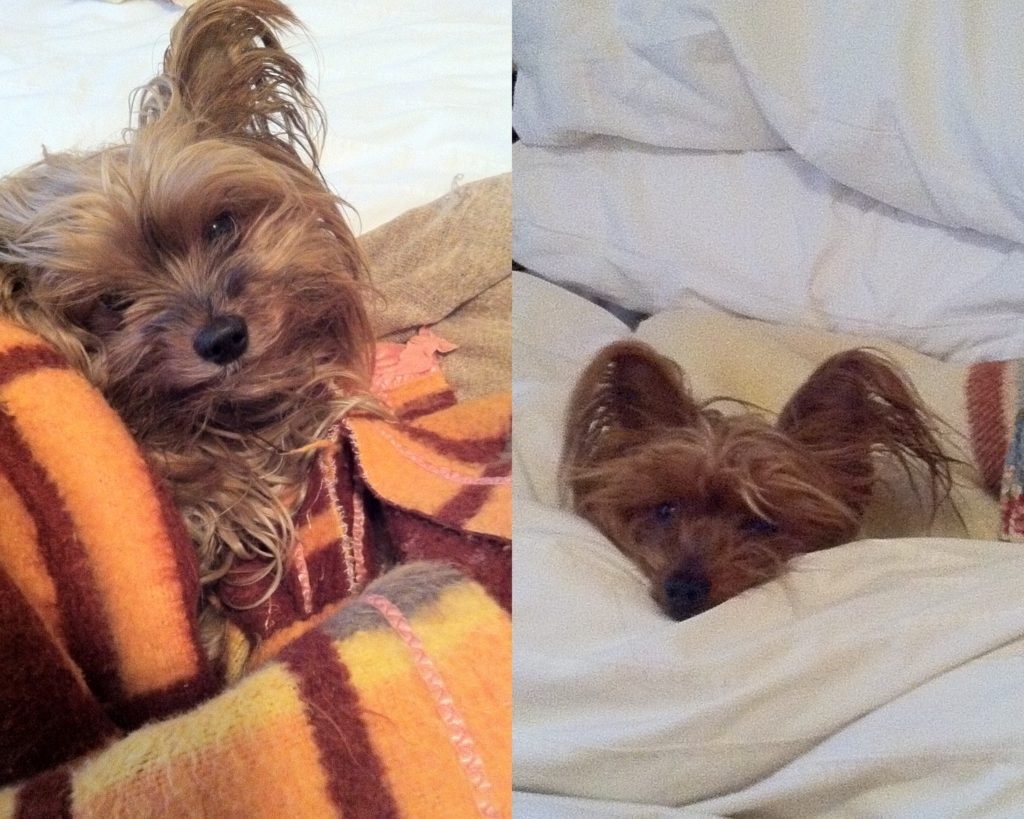
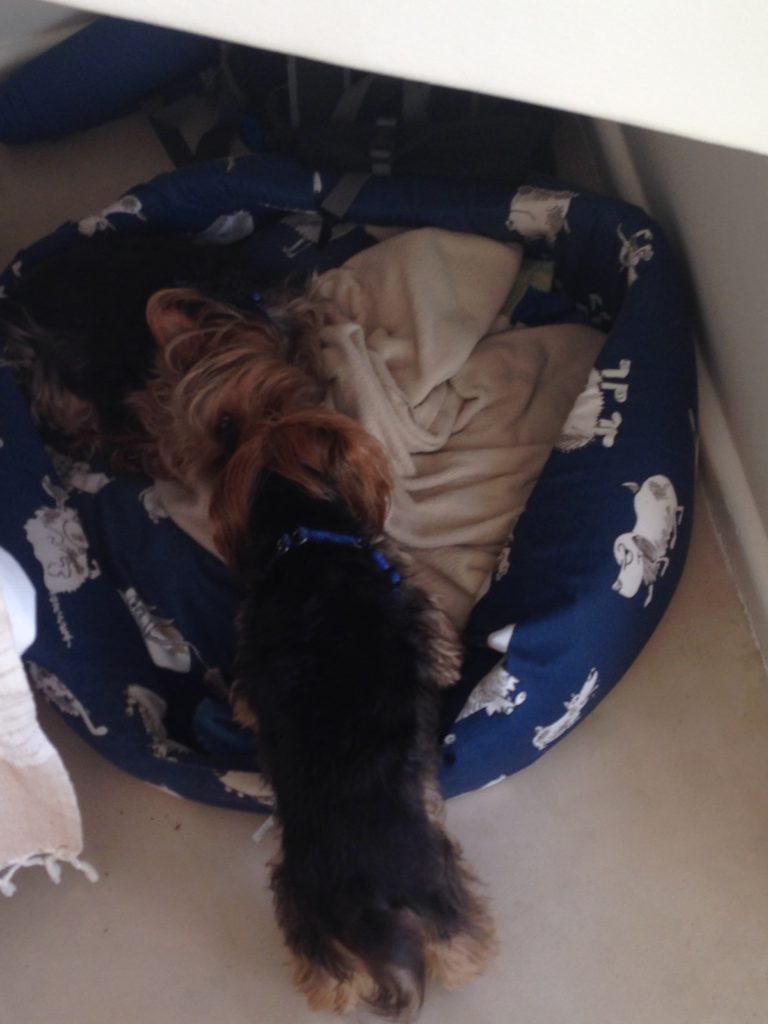
Higgy and McCarthy chilling under their warm blankets
Chill time

Social Dogs

Dogs who have been socialised learn how to relate to other dogs and are generally friendlier towards them. Our instructor told me to introduce them to 100 different people a week as well as a range of different animals, and that is what we did.

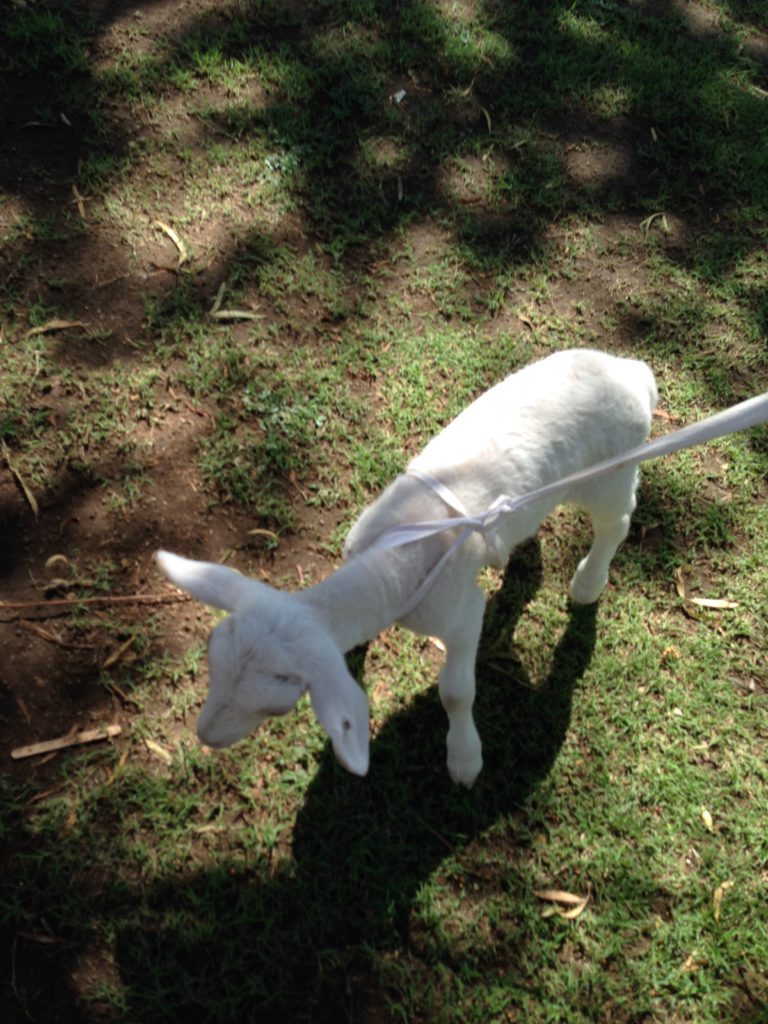
Encounter with a friendly goat on a leash

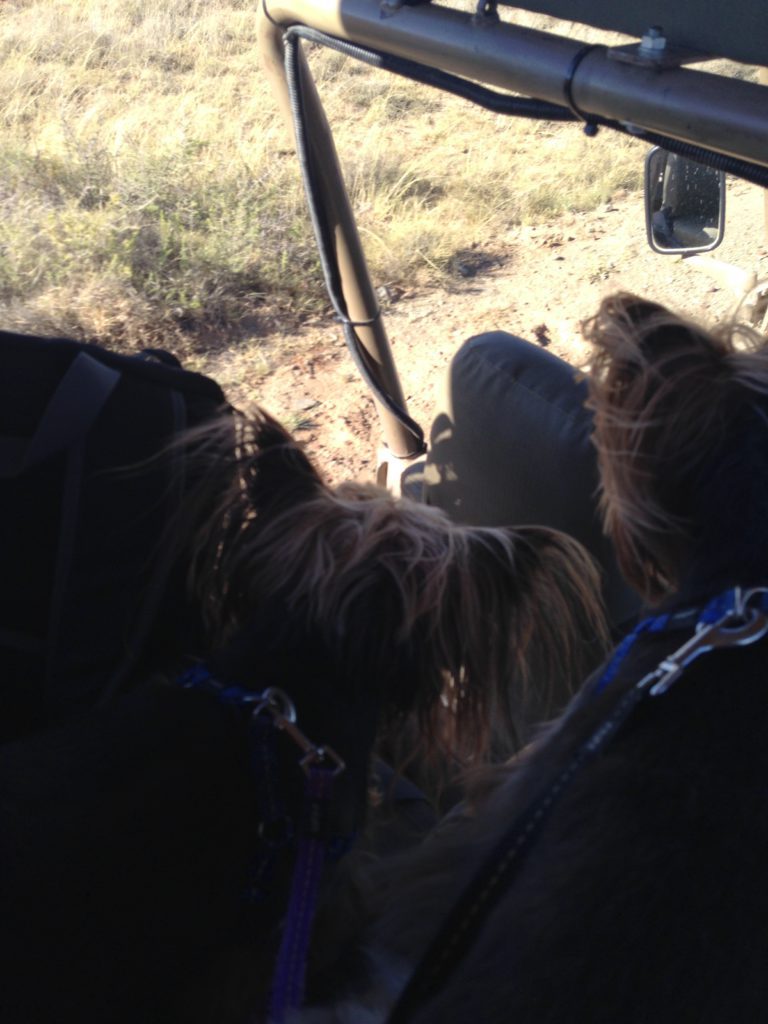
My dogs socialised with other dogs, cats, horses, cows, sheep, goats, etc. I even took them with on a game drive one year and they absolutely loved sitting in the jeep intently observing the wildlife we passed along the way. The game farm owners allowed them to join as they were so well behaved.

Higgy and McCarthy enjoying a game drive on a private game farm in South Africa
Higgy and McCarthy enjoying a game drive

It is essential for your dog to learn to socialise with other dogs and understand what is acceptable behaviour in doggy language and what is not, as it could even save their lives. McCarthy was so attuned to other dogs; if he sensed another dog was more dominant or aggressive, he would immediately flop submissively onto his back, and on every occasion the other dog would respond in a more friendly manner.

Two Yorkies kissing one another
Higgy and McCarthy sharing kisses

Safety

Even if your dog doesn’t go out with you much, it is important for them to understand how to deal with adults, children or pets visiting your home. Your dog is bound to encounter other animals when visiting the vet, parks, or if they are looked after by someone else or go into a kennel or boarding facility.

A dog that has been trained and obeys its owner’s commands is a much safer dog to have around. An uncontrollable dog can cause damage to others and to him/herself. 

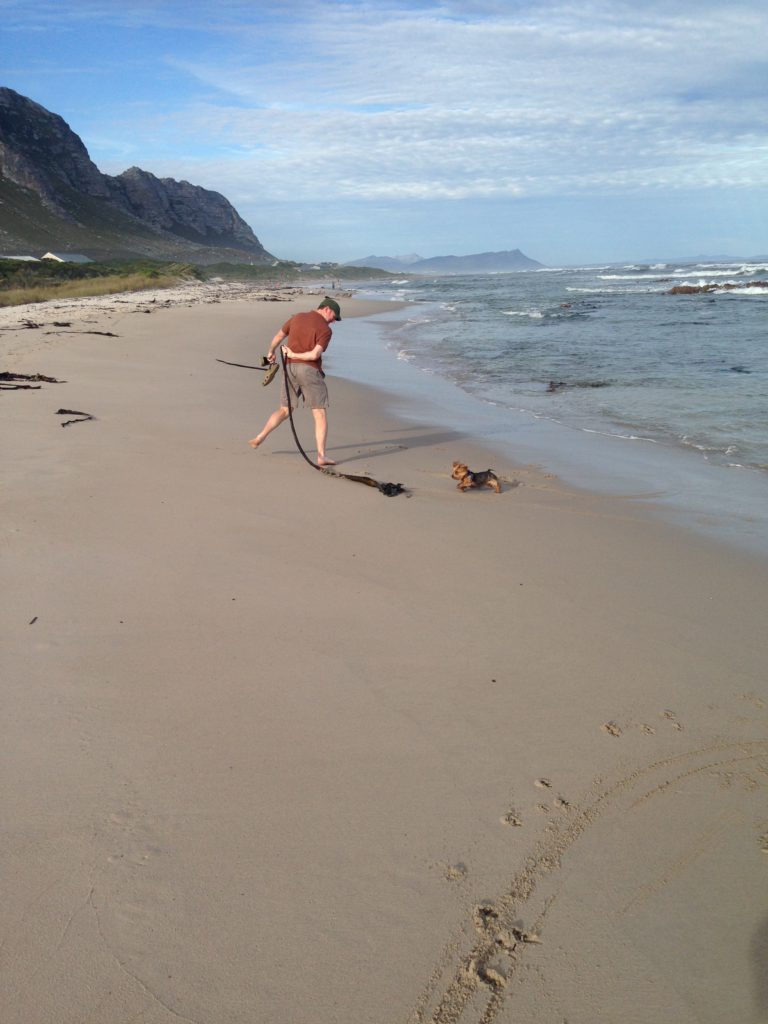
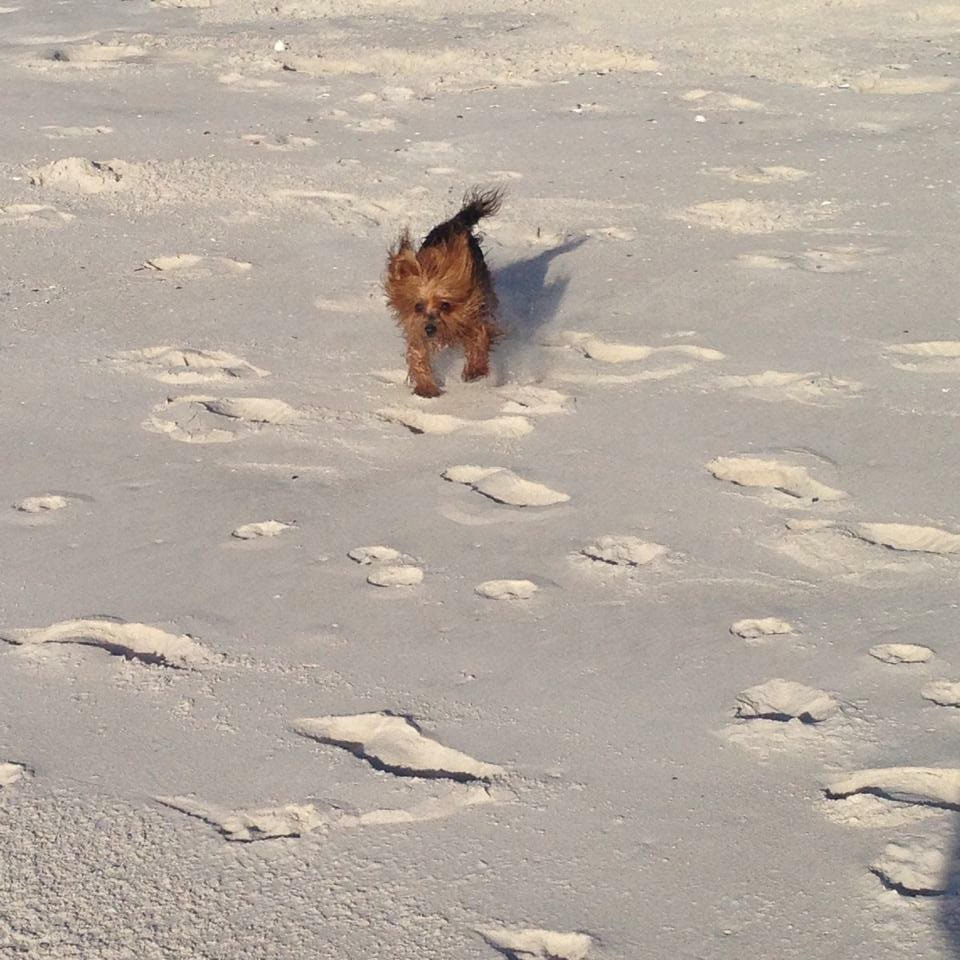
McCarthy Yorkie playing with human friend on a beach in Betty's Bay, South Africa
McCarthy having fun with friends on the beach

A dog who is well attuned to its owner’s tone of voice is also at less of a risk of getting hurt should the owner call the dog away from something which could harm the dog, such as an approaching car, an attacker, an animal of prey, etc. However, it is always important to remember that an animal is still an animal and can at times behave unpredictably under different circumstances.

Connecting with the Community

Attending obedience classes on a regular basis forces you to get out and connect with other people which you may not have done had it not been for your pet. It’s a great opportunity to get to know other people, socialise, develop new friendships and get involved in different activities. You can also assist one another with tips about your own battles or positive experiences with your pets.

People with dogs generally have a lower risk to physical and mental health problems and a decreased risk of hypertension, loneliness, and a variety of other diseases.

I have always maintained that hospitals, orphanages, old-age homes, and the like should have areas where pets are allowed. I used to visit many retirement villages with my dogs and the elderly folks who were unable to get out and about were delighted to interact with them. Their spirits were lifted on every occasion and the visible transformation of their state of being was remarkable.

Little Yorkie, McCarthy, calming another human being
McCarthy calming another human being

People often find training too time-consuming, but some dogs can live to the age of 15, 16 or more years, so the benefits of a one-year period of training are definitely a worthwhile investment along this journey. The outcome of a well-trained dog will reduce so much unnecessary stress for both you and your pet down the line.

A point to remember, however, is that not all dogs learn at the same pace and some dogs have behavioural or medical issues. If you are struggling with certain negative behaviours in your dog, I’d recommend you talk to your local vet or ask for a referral to an animal behaviourist who can visit your home and observe your dog in its environment and provide you with advice, further training, breaking of bad habits, or treatment to improve the problem you may be facing with your pet.

Also remember, that even old dogs can learn new tricks. I have taught my dogs new things right up until 14 years of age, and continuing to do so with Higgy who is still with me — 14 years and counting.

Don’t underestimate their intelligence. Many dogs will do anything to please their owners too, which was my experience with McCarthy. He was much easier to train as he simply seemed to want to make me happy no matter what it took!

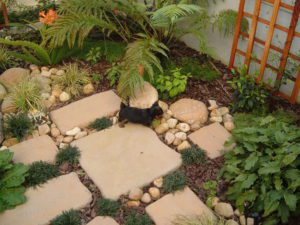
Cats peeking over the wall, keeping guard as Yorkies walk by
Cats keeping guard
Cat walking Yorkie
McCarthy being walked by a neighbour’s cat

Most importantly, enjoy the journey. For me, sharing my life with my two Yorkies has been one of the most joyful experiences I’ve had.

You have a New Puppy – Where to Start

The exciting day has arrived, your new Yorkie pup is joining the family. It can be a daunting day too, as Yorkie puppies are very small and vulnerable.

It is important to realise that one of the most common deaths in Yorkie puppies is trauma — people accidentally stepping on them, dropping them, lying on them, etc.

Some are often no bigger than your hand when you bring them home and your first priority must be to protect them and provide them with a secure environment.

A few tips that worked in our home:     

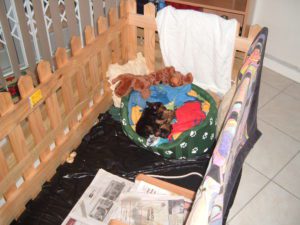
  • I built a small rectangular, wooden pen in my lounge before bringing my new puppies home.  I lay a plastic groundsheet at the bottom with a section of newspapers on top.
  • I placed their bed on the one end and their food bowls in the middle, but off to the side, and I had the thicker layer of newspapers at the bottom end, which served as their bathroom.
  • I placed the pen at the French doors so that they could have a view of the garden.
  • When we first arrived home, I let them explore the ground floor (I lived in a duplex townhouse, which was perfect, as they were contained on the bottom floor initially).
  • I first allowed them to wander around the lounge, kitchen, and patio/garden area, whereafter I placed them into their wooden pen and added some puppy kibble and water to their bowls and observed how they explored their new territory.
  • When I was home, they were free to wander around the ground floor and garden, but when I went out I would place them into their pen.
  • I never went out for more than a few hours at a time for the first two years, and I went home daily at lunchtime during the week to check in on them. This system worked well in mitigating separation anxiety. Happy pups and happy mom!
  • They also slept in their pen for the first seven months of their lives, whereafter I integrated them upstairs and into my bed.


  • Once they’d acclimatised to the stairs and their entire new environment after the seven-month period, I took the pen down and they had free access to the whole house.

I believe this integrative approach worked well and provided a safe, secure, and routine way of living during their puppy years. I am well aware that not everyone has the opportunity to apply these methods or to pop out of work to check up on their puppies, but I was fortunate in that I worked only three kilometres from home, which allowed for mid-day visits, and it worked perfectly for us.

For more tips on raising a new puppy visit: https://tevavetclinic.co.za/2020/05/18/tevas-tips-for-your-new-puppy/

Pancreatitis in Dogs

Our Experience with Pancreatitis and Personal Tips on Treatment that Worked 

Pancreatitis is a serious illness in dogs and it often takes pet owners by surprise. Its onset can be sudden and many times pet owners assume that the fact that their family dog doesn’t want to eat or drink and is throwing up may be a passing thing. It could be, but it could also be life-threatening pancreatitis. If that’s the case, you need to act fast.

My experience with pancreatitis began when my 11-year-old Yorkie, McCarthy, started showing signs of ill health about a week after surgery to amputate two cancerous toes. He was doing relatively well after the operation, but then the lethargy crept in; he looked pale, and his eyes sunken. It was so out of character, he was usually active and demonstrated immense excitement whenever I picked up the leads.

He also refused food and water, so I took him to the vet and he was given anti-nausea and pain medication. It didn’t help, he licked his lips constantly, another sign of nausea; he ate grass at every opportunity and started throwing up through the night. I spent the evening Googling what could be the problem – I suspected pancreatitis.

The following morning we were back at the hospital, he was admitted and given medication and fluids intravenously. The following afternoon he was discharged, completely transformed and back to being his bouncy self, but a week later, the symptoms returned.

Back at the hospital, where they ran a batch of blood tests and found that his liver enzymes had skyrocketed. The specialist thought he’d eaten something that was poisonous, but he hadn’t. He was prescribed a cocktail of medication. I thought he was going to die, I had never seen him so sick, his listless, tiny body hung in my arms as I carried him. However, to my surprise, a week later he looked well, but it was fleeting, and we found ourselves back at the hospital once again.

The ultrasound reflected that his pancreas was extremely inflamed and finally a diagnosis was made – pancreatitis. He was prescribed chronic medication to make the bile less fat soluble, milk thistle to support his liver, and we continued with some of the other medication previously prescribed. I also had to change his diet, as the Hills food he was eating was not staying down. I prepared home-cooked chicken and some veggies and blended those for him; he still refused food. Initially, it is good to allow the pancreas to rest by withdrawing food and water for 24 hours, but after that, they need nutrition and hydration, so I had to force feed him the blended food with a syringe.

Our journey to keep him symptom-free began…

Further Information on Pancreatitis

Firstly, for those who are not aware of the pancreas’ purpose – it has a dual function in that it helps to digest food as well as control blood sugar. It is situated near the stomach. Pancreatitis occurs when this organ becomes inflamed, which could happen suddenly, as in McCarthy’s case, which is called acute pancreatitis, but it could also then become chronic pancreatitis. Some dogs have one bout and never again, others need specialised foods and careful management to prevent recurring bouts for the rest of their lives.

When the organ is functioning as it should, the enzymes from the pancreas only become active when they reach the small intestine, but in a dog who has pancreatitis, those enzymes activate prematurely when they are released, which causes inflammation and damage to the pancreas as well as the surrounding organs and tissues. The enzymes can even begin digesting the pancreas itself, which causes excruciating pain.

I knew immediately when McCarthy was having a pancreatic attack. I could see the pain in his face and he would hunch over and then begin to vigourously scratch his bed or blankets, it was as if he wanted to dig the pain away. It broke my heart watching him digging like a mad animal.

He remained on chronic medication and I fed him small portions of low-fat, home-cooked meals three times a day, but he still had recurring bouts of pancreatitis; even a visit to the vet or slightest form of stress started triggering an attack. I was at my wit’s end, but I continued researching.

The next option was a more natural one; I was referred to a reputable homeopathic vet.


Our Journey into Homeopathy

The homeopathic vet suggested ozone therapy and biopuncture with a range of homeopathic medication and high doses of Vitamin C. He also prescribed a live probiotic and homeopathic tinctures which I had to administer daily. A few days after receiving his first round of treatment, my dog was vibrant. The transformation was miraculous.

He regained his appetite and we moved over to Acana Light and Fit kibble with tiny bits of boiled chicken as a topping. He wouldn’t eat it otherwise. I continued medicating him with the prescribed medication, probiotics, homeopathic tinctures, and milk thistle a few times daily, according to the homeopath’s instructions.

We repeated the treatment with the homeopathic vet every two weeks initially and slowly progressed to every three weeks, then six, then eight. We continued in this way for two years.

The first few months post surgery were particularly bad and I believe the repeated bouts of pancreatitis caused much damage to his pancreas. However, after receiving treatment from the homeopathic vet, he only had two attacks over a 19-month period, but sadly, the last one — a few days before his 14th birthday — caused too much damage; it was also accompanied by hemorrhagic gastroenteritis (HGE), which is a disease in dogs that is characterised by sudden vomiting and bloody diarrhea. The symptoms are severe, and if the illness is not treated, it can be fatal.

McCarthy’s symptoms began by him refusing food and displaying signs of nausea, but there were no other serious signs initially during that day, but during the night his symptoms worsened, and I took him to the vet early the following morning. He was losing a lot of blood and his breathing became laboured. The vet admitted him and administered intravenous fluid therapy (IV), but she called me an hour later to say he was battling to breathe and she referred him to the animal hospital. He was placed in an oxygen tank, had an ultrasound, which confirmed that his pancreas and intestines were severely inflamed, and they too administered a cocktail of the appropriate medication intravenously, but he sadly died 90 minutes later from toxic septicemia.

I was shocked at how quickly death could come. He was completely healthy between Monday and Wednesday, started showing signs of nausea during the day on Thursday, became severely ill during the night, and died the following morning. From commencement of symptoms to death was not even within a 24-hour period. Life is so fragile…

Symptoms 

The purpose of this post is to warn other pet owners not to take the following symptoms lightly.

Acute symptoms of pancreatitis include:

a) loss of appetite

b) reluctance to drink

c) vomiting

d) shaking/tremors

e) depression and lethargy

f) abdominal pain

g) frantic digging in blankets or bed (a tell-tale sign when McCarthy had an attack)

Chronic symptoms of pancreatitis include:

a) vomiting or pain after eating (but not necessarily after every meal)

b) reluctance to eat or loss of appetite

c) reluctance to drink

d) weight loss

e) depression and lethargy

f) difficulty breathing

g) frantic digging in blankets or bed (my experience in McCarthy’s case)

Causes

The causes of pancreatitis are not always clear and are commonly debated. It has been said that high-fat diets are often the cause, but this has not been scientifically proven. However, too much fat can cause pancreatitis in older dogs, especially if they are overweight or relatively inactive. Dogs who eat scraps from the garbage are also more prone to pancreatitis, especially if the dog usually eats a low- to normal-fat diet, but then suddenly eats rancid fatty scraps or high-fat foods. There are also several medications associated with pancreatitis in dogs.

In McCarthy’s case, none of the above applied, as I never fed him or Higgy a high-fat diet and they both lead active lives. McCarthy was particularly active and ran six to ten kilometres with me on many occasions until he reached his senior years, then I tapered it down, but we still did many hikes and walked daily. The vets and specialists suggested that the cause in McCarthy’s case could’ve been the repeated anaesthesia required for the procedures leading up to his amputation surgery, and the surgery itself, which can wreak havoc with the functionality of the bodily systems.

Take-Away Message

Pancreatitis is a serious illness. I would like to warn other pet owners to err on the side of caution and take their pets to their local vet as soon as their dog displays any of the abovementioned symptoms. It could be a matter of life or death and one should certainly not take a wait-and-see approach.

Our canine family’s lives are precious and it is our responsibility to care for them to the best of our ability.

Stay informed, do your research, and always do what is best for your pets!
Personal Experiences

Our Experience with Eccrine Carcinoma – Rare and Aggressive Cancer

Shocking News

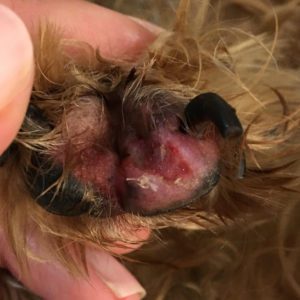
In March 2016, McCarthy, my beloved little 11-year- and 9-month old Yorkie, developed a mysterious cut on the third toe of his right foot. He was stitched up and treated with antibiotics, but it wasn’t healing, was very swollen, and in no time the swelling started spreading to the second toe and underneath the pads too.

A further dose of antibiotics was given, but still little healing. A biopsy was taken on 29 April 2016, and on 11 May 2016, I received the shocking news: Eccrine carcinoma – which is an extremely rare and aggressive cancer of the sweat glands. The prognosis on the pathology report said: “Cautious, further complications as regards local infiltrative growth and distant metastatic spread could be expected.” Apparently, an important differential in these cases is metastatic carcinoma from the lung.

Little McCarthy was the sweetest, most loving, and joyful being I had ever met. He loved life and had no idea how small he was in size. He used to run 10 km races with me, and we regularly ran 6 – 8 kilometres on the road or in the mountain until he was about nine years old. As he aged we walked more, which his Yorkie brother, Higgins preferred. I couldn’t believe this devastating news, as he was still as sprightly as ever, despite having an aggressive form of cancer eating its way through his toes.

Unwanted and Unfamiliar Territory

The week after the diagnosis he had to go for a CT scan to determine whether the cancer had spread. If not, surgery or amputation was indicated.

I dropped him off at the animal hospital on 18 May 2016 for the CT scan. The specialist advised me that he would be on a drip before, during, and after the procedure as some dogs had a bad reaction to the iodine dye they were injected with, which was a necessary procedure for a contrasted CT scan. I was also informed that the specialist stops the dog breathing for 30 to 45 seconds when scanning the lungs, as one cannot tell a dog to hold its breath. It is an incredibly stressful ordeal to have to go through, especially the day-long waiting period to find out whether the cancer had spread to his lungs.

Later that afternoon, I was relieved to hear that it had not spread to his organs. The specialist advised me that they would keep him in hospital for observation and that he may have to spend the night, but since he was bouncy and full of life a few hours later, they called to say he could go home until his scheduled surgery two days  later to amputate the affected toes.

On 20 May 2016, he was back in hospital for surgery, but fortunately, that wasn’t as long a wait. At 11:45 am I received a message from the hospital on McCarthy’s behalf advising me that he was out of theatre, awake and that all had gone well. After a few hours of observation, the specialist said he was stable and they were satisfied that he was well enough to be discharged. I couldn’t wait to fetch him!

He was a little unhappy and unbalanced that night and fell over when trying to urinate, as he was still getting used to using only one foreleg and holding the bandaged leg up. The next morning, he was hopping around so quickly that I had to run after him to keep up. Such a little trooper – I was amazed at how well he was doing. The following week he was booked to return to hospital to be sedated for the first bandage change.

The specialist advised me that the amputated toes were with the pathologist. I had to wait another two weeks to find out whether they got clear margins of the soft tissue and whether the cancer had spread to the bones. If there weren’t clear margins or if the cancer had spread to the bones in his leg, amputation of the leg would be necessary.

Post-Surgery Complications

Sadly, a week post surgery, McCarthy was not doing well at all. He wasn’t eating or drinking, became severely dehydrated and pale. He was admitted to hospital again, stayed overnight on a drip and was given a course of antibiotics and had blood work done.

His white blood cell count was high, which indicated that he had picked up an infection of sorts. His immune system was likely compromised post surgery and his little body was no longer fighting fit. However, within a week he bounced back.

Long-Awaited Pathology Report

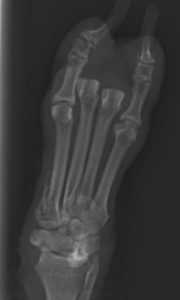
Two weeks post surgery, the specialist advised that the findings of the pathology report revealed that they got clear margins of the tumour when they amputated his toes, but there was destruction to the bone in those toes, which proved the aggressive nature of eccrine carcinoma.

The diagnosis meant that there could be microscopic spread, however, at that stage, there was no way of telling whether that was the case. Amputation of the leg was, therefore, not necessary as it was unclear whether it had spread to the bones in the rest of his leg.

As a precaution, the specialist suggested four treatments of chemotherapy over an eight-week period. He advised that some dogs cope well on chemotherapy, others not, and one to two percent could die therefrom. He said an alternative would be to send McCarthy for another CT scan in a few months to determine whether the cancer had spread and if so, to start chemotherapy then.

Unfortunately, due to this form of cancer being so rare, the specialist had no comparisons to previous cases and treatments to investigate further.

However, while deciding whether to go the chemotherapy route, McCarthy became severely ill again. Further blood tests revealed escalated liver enzymes. That poor little dog was then prescribed a cocktail of medication to aid the healing, and after weeks of repeated bouts of vomiting and lethargy, the specialist did an ultrasound which revealed pancreatitis as the cause of the elevated liver enzymes and McCarthy’s extreme discomfort. The decision as to whether or not to proceed with chemotherapy was made for me, as a pancreatic dog was not a good candidate for chemotherapy.

From One Level of Severity to the Next

Pancreatitis then took centre stage. McCarthy’s foot was fully healed and he had no trouble adjusting to his new gait, and we all forgot about the cancer while figuring out why he was having repeated bouts of pancreatitis.

The symptoms and treatment of the acute bout of pancreatitis, which was becoming chronic, will be discussed in detail in another post. I would like to walk other pet parents through our experience in dealing with that awful disease in the hope that those in similar situations with their beloved pets may gain insight therefrom and seek treatment as soon as possible. It is not a disease to be messed with!

Parting tip regarding Eccrine Carcinoma: If your pet presents with a mysterious cut on his/her paws, have it seen to by your vet if it is not healing within one week. It is always best to err on the side of caution as fast action can save your dog’s life.